

Clayface

Folklores and Monsters
Folklore and cultural stories are fascinating.
They are tales our elders tell us when we’re small to impart some profound knowledge or life lesson. Then again, sometimes, these folktales are told to instill fear in naughty kids, but as we grow older, these stories actually become more intriguing than they are fearsome.
Of course, in these stories and mythologies, monsters can sometimes be portrayed as kind and benevolent. Those that come to mind are like dragons and fairies.
However, there is a darker side to these creatures. Some – if not most – of them are told to be evil, and some of them even thrive on one thing only. Blood.
Also, if you want to venture and embark on a blood-soaked horror adventure, TGV’s Halls of Horror has dedicated interactive horror stories to put your fear level to the test!
Notorious Blood Monsters From Folklore Around the World
Here, we will be diving into some creatures and monsters from folktales across countries and cultures related to blood.
1. Penanggalan (Malaysia) – Pregnant women beware….
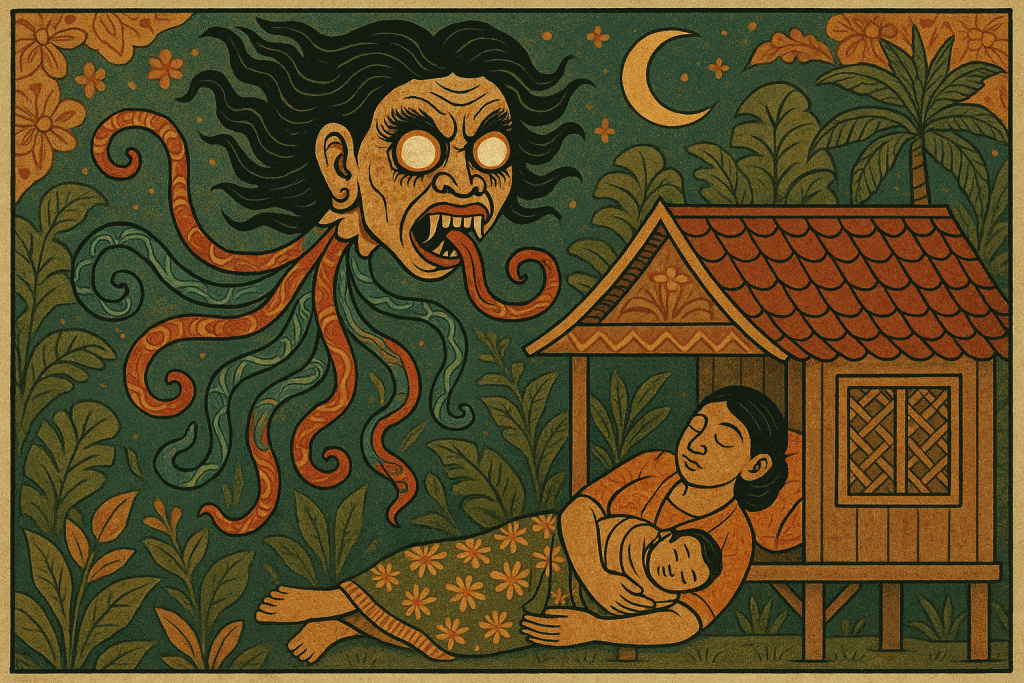
Image Source: Medio Oriente e Dintorni
The penanggalan comes from Malay folklore, and she’s exactly as unsettling as she sounds.
By day, she looks like an ordinary woman. By night, her head detaches completely, dragging her lungs and intestines along like some kind of horrifying kite tail, and she goes hunting for blood.
Her targets are specific: pregnant women and newborns. Some versions of the story say she’s a midwife by trade, which is either a clever cover or the worst career choice imaginable, depending on how you look at it.
The blood connection ties into an old legend about a woman who was promised beauty in exchange for 40 days of fasting from meat. She broke the fast early, and the curse stuck. Her craving for blood became permanent, nightly, and frankly inconvenient for everyone nearby.
To keep her out, families would cover gaps in floors and windows with thorny plants, since her exposed organs apparently don’t enjoy getting snagged.
Fun Movie Fact: The penanggalan floats (quite literally) through several Southeast Asian films, but Pontianak Harum Sundal Malam (2004) is one of the better-known takes, blending her legend with the equally fearsome pontianak myth.
2. Krasue (Thailand) – Black magic gone wrong
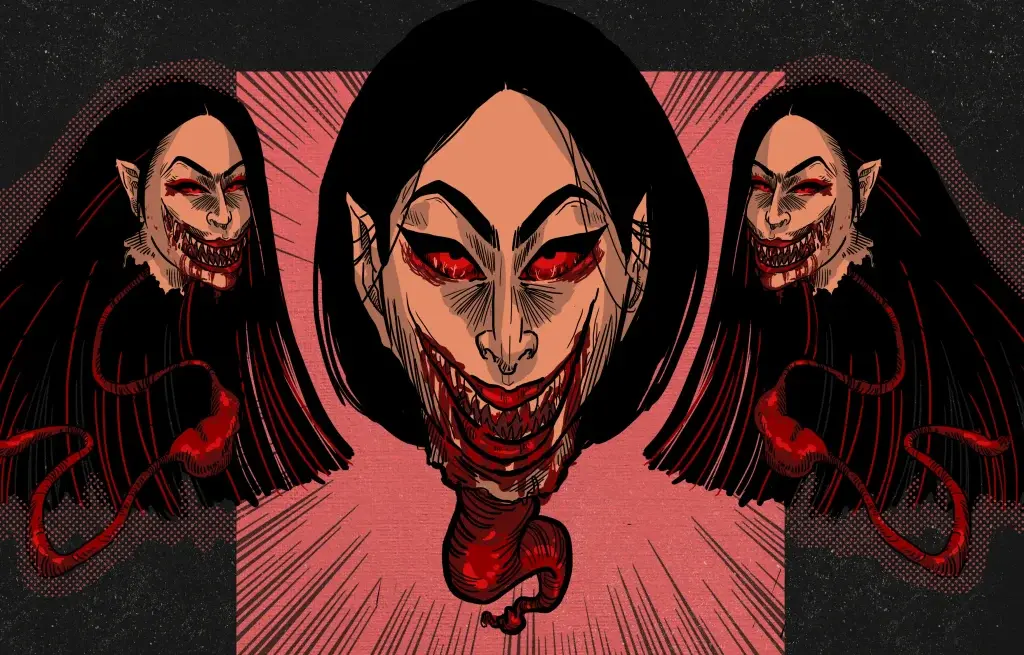
Image Source: Vice
A creature hailing from Thai folklore, with cousins across Cambodia, Laos, and Malaysia, each wearing a different name but doing the same unsettling commute. By day, Krasue’s an ordinary woman.
By night, her head detaches and goes looking for blood, offal, and anything else that’s recently been alive. In many ways, she is quite similar to the penaggalan.
Creepily, she’s drawn to blood in its rawest forms. Childbirth, slaughter, open wounds. Her long tongue reaching toward a house where someone is giving birth is the image that shows up again and again, which tells you exactly what kind of folklore this is.
The origin stories vary, but many describe her as a woman punished for wrongdoing or failed black magic, which sounds like the folklore equivalent of a warning label.
Fun movie fact: Thai cinema has been obsessed with her for decades, and Krasue: Inhuman Kiss (2019) leans into her tragic side, treating her less like a monster and more like someone having a very bad, very bloody time.
3. Jiangshi (China) – The stiffest blood monster
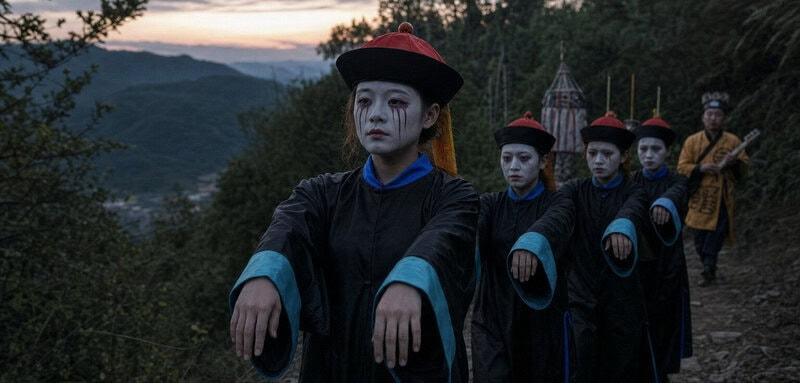
Image Source: History Collection
Meet the jiangshi, China’s answer to the vampire, though calling it that undersells things. The name literally translates to “stiff corpse,” which is refreshingly honest for a monster.
Its origins trace back centuries, tangled up with Taoist ritual and the practical problem of transporting bodies long distances for burial. You can picture how that story grows legs. Or rather, how the corpse does.
By the Qing Dynasty, the jiangshi had fully shed its practical roots and become something genuinely unsettling. It doesn’t drink blood in the suave Dracula sense. Instead, it drains qi, your life force, which is arguably worse because you can’t even see it happening.
You’ll recognize one by the outstretched arms, the rigid hopping gait, and the Qing-era burial robes it’s still wearing.
Sticky rice and paper talismans are your best defense, which is either comforting or deeply impractical, depending on your pantry.
Fun movie fact: Mr. Vampire (1985) turned this folklore figure into a full-blown pop culture icon, blending horror, comedy, and martial arts into something that somehow worked. You’d think a hopping corpse comedy wouldn’t spawn sequels. You’d be wrong.
4. Baobhan Sith (Scotland) – They’re pretty. Pretty dangerous
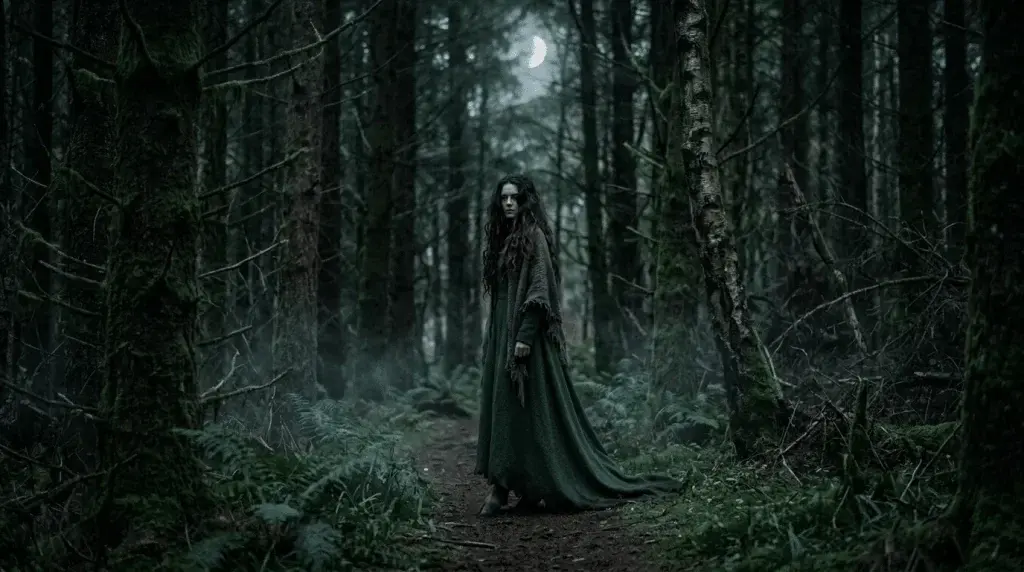
Image Source: Connect Paranormal
You’re out travelling in the Scottish Highlands, you stumble on a cozy little cottage, and four gorgeous women in flowing green dresses show up to keep you company.
Great night, right?
Congrats! You’ve just met the baobhan sith, and your evening is about to take a turn.
The name comes from Scottish Gaelic, roughly translating to “fairy woman” or “woman of the fairy mound.”
She’s less about biting necks like a classic vampire and more about charm. She dances with you, she sings to you, and somewhere between the second song and the third, she opens up your throat with nails that are a lot sharper than they look.
Here’s the detail that gives her away, though. Underneath that beautiful dress, she’s hiding hooves instead of feet. So if your dance partner seems reluctant to show you her shoes, maybe cut the evening short!
Fun movie fact: her influence shows up in the film The Wicker Tree (2011), where the Celtic folklore surrounding seductive, otherworldly women gets woven into the story’s eerie undertones.
5. Lamia (Greece) – Zeus, Hera, what have you done?
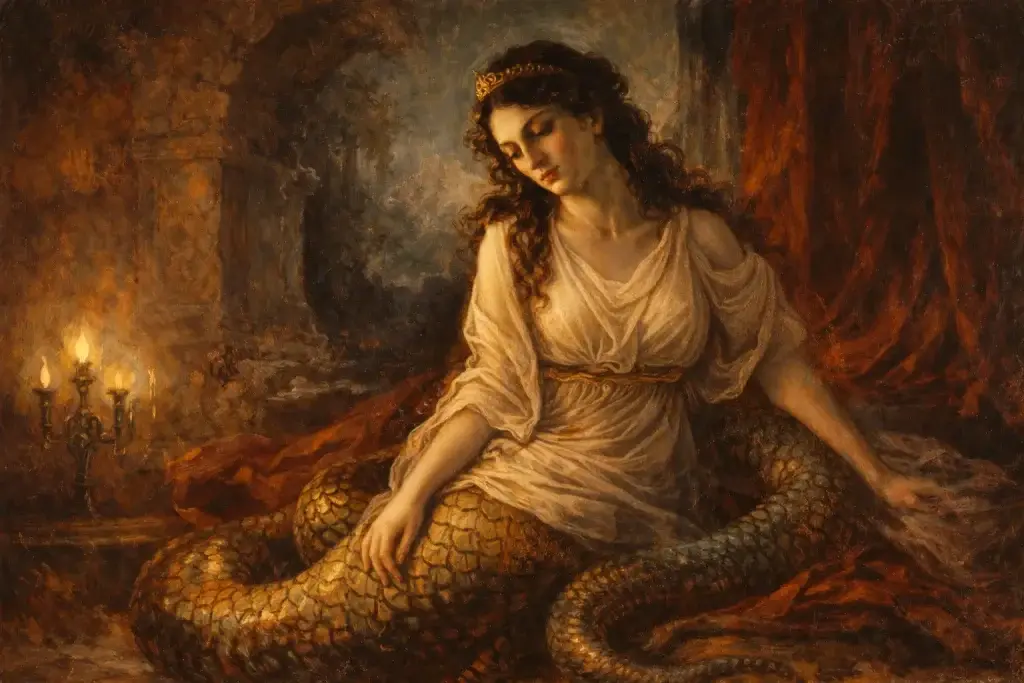
Image Source: Myth Beasts
Lamia starts in Greek mythology as a grieving queen, not a monster, which honestly makes her one of the saddest origin stories on this list.
Zeus fell for her. Hera found out. In a particularly brutal move, Hera either killed Lamia’s children or forced her to do it herself, depending on which ancient storyteller you ask. Grief turned to madness, and Lamia became something else entirely: a creature that hunted other people’s children, half out of rage, half out of a curse she never asked for.
Later versions of the myth lean into her as a seductress who lures young men in, then feeds on them, blood included. You see echoes of this in later folklore creatures, and honestly, you can draw a pretty straight line from Lamia to modern vampire mythology.
She also shows up with serpent features in some tellings, half-woman, half-snake, which is a detail horror and fantasy writers have never quite let go of.
Fun movie fact: the 1982 film Lamia drops her into 1970s Chicago, where she takes bloody revenge on sex offenders while confused detectives try to piece together what, exactly, they’re dealing with. A fairly bold swing for a myth that’s a few thousand years old.
6. Chupacabra (Americas) – The lambs are definitely silenced when it’s around
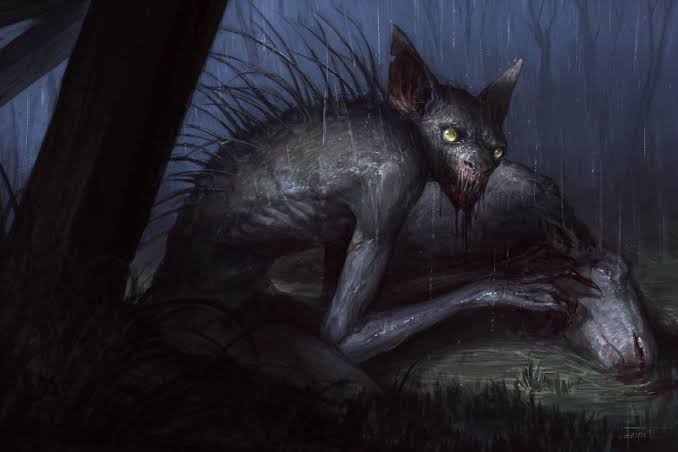
Image Source: Historic Mysteries
Here’s one that didn’t climb out of a dusty European legend. The Chupacabra is young, as monsters go, born in Puerto Rico in 1995.
The name translates to “goat-sucker,” which is less poetic than “vampire” but gets straight to the point. You’ll find that’s a theme with this one. No cape, no castle, just a very bad night for some livestock.
Farmers started finding goats, sheep, and chickens drained of blood, with small puncture wounds on their necks. No obvious predator, no mess, just animals that had lost their blood and nobody’s story adding up.
Descriptions of the creature itself shift depending on who you ask. Some say a reptilian thing with spines down its back. Others describe something closer to a bald, feral dog. You get the sense nobody actually agreed on what they saw, just that it was bad news for livestock.
Skeptics point to mangy coyotes. Believers point to something stranger. Either way, the blood-draining detail is what stuck, and it’s the reason this one earns its spot on a list like this.
Fun movie fact: The 1995 sighting that kicked off the legend has been linked to someone who’d recently watched the sci-fi film Species. Make of that what you will.
7. Strigoi (Romania) – Strigoi dies twice
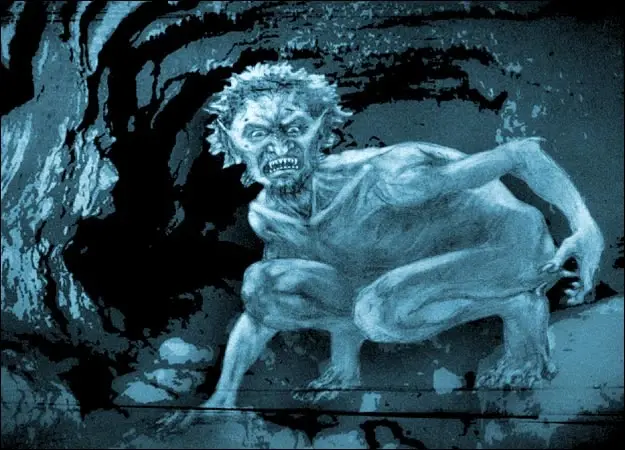
Image Source: Vampedia
Romania gave the world garlic bread, beautiful castles, and also the strigoi, a restless spirit that climbs out of its grave because dying once apparently wasn’t enough.
The word comes from an old root tied to owls and witches, and you can hear its echo in Italian (strega) and French tales of bird-women who prey on children at night. So this thing has cousins all over Europe, all sharing one grim family trait.
Once risen, a strigoi doesn’t wander far. It goes home first, draining strength from family members, livestock, even the crops. Blood is part of it, but so is life force in general, which feels almost greedier somehow.
You’ll also find living strigoi in the old stories, sorcerers who haven’t died yet but already carry the mark. Bald patches, a hidden tail-like spine, an aversion to onions. Specific, slightly odd, very memorable.
Villagers dealt with this by digging up graves, driving stakes through hearts, sometimes removing the heart entirely. As recently as 2004, a Romanian family did exactly that to a deceased relative, then landed in actual legal trouble for it.
Fun fact: Strigoi legends fed directly into the DNA of Dracula, Bram Stoker basically borrowing the neighbourhood myth and giving it a castle and a cape.
8. Manananggal (Philipinnes) – Never ask her if she can do the split
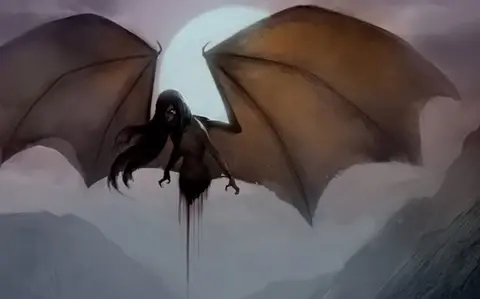
Image Source: The Horror Dome
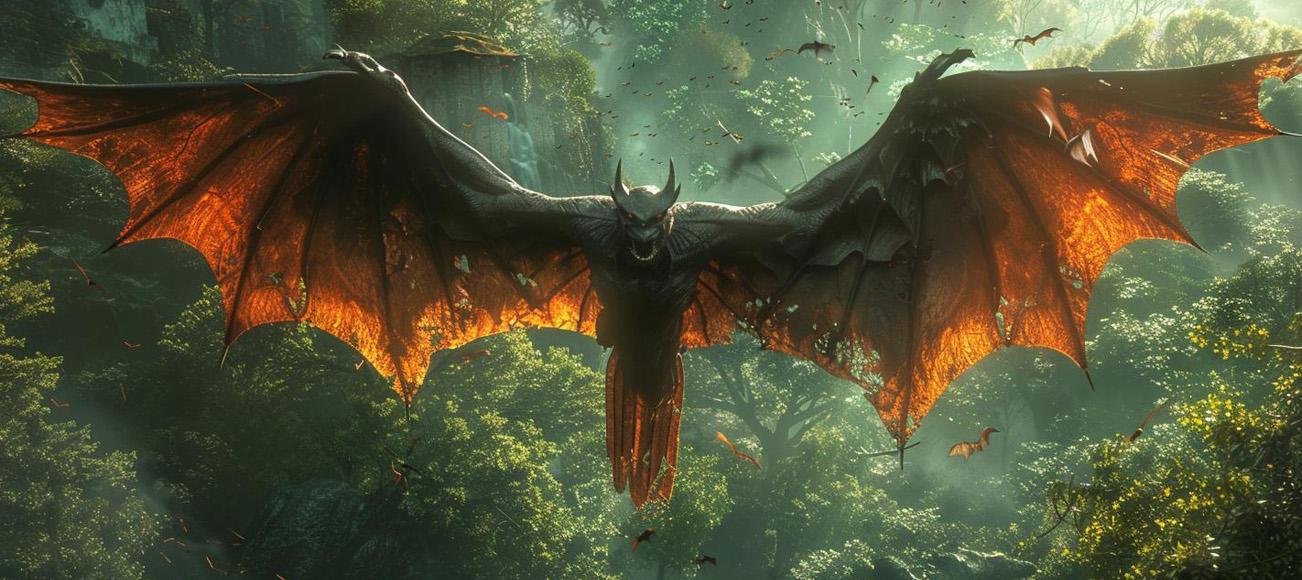
Somewhere above the Philippine rooftops, a woman’s upper torso is flying around on bat wings, intestines dangling like some kind of nightmare streamer. That’s your manananggal.
By day, she looks like anyone else. Neighbor, friend, the woman who sells rice at the market. At night, she splits herself at the waist, leaving her legs behind like a coat she didn’t need, and takes off hunting.
Her target of choice is unsettling: pregnant women, specifically the unborn child. Using an elongated, straw-like tongue, she feeds while her victim sleeps, often without anyone realizing what happened until it’s too late.
Here’s where it gets interesting. Some historians think the manananggal’s monstrous reputation got a glow-up courtesy of Spanish colonizers, who associated her with the babaylan, female spiritual healers who held real power in precolonial communities.
Turning healers into monsters is a pretty effective way to undermine them.
Fun fact: The Manananggal is a central figure in Dreamwork’s coming-of-age animated film, Forgotten Island.
9. Sasabonsam (Africas) – Making Gotham’s Batman look like child play
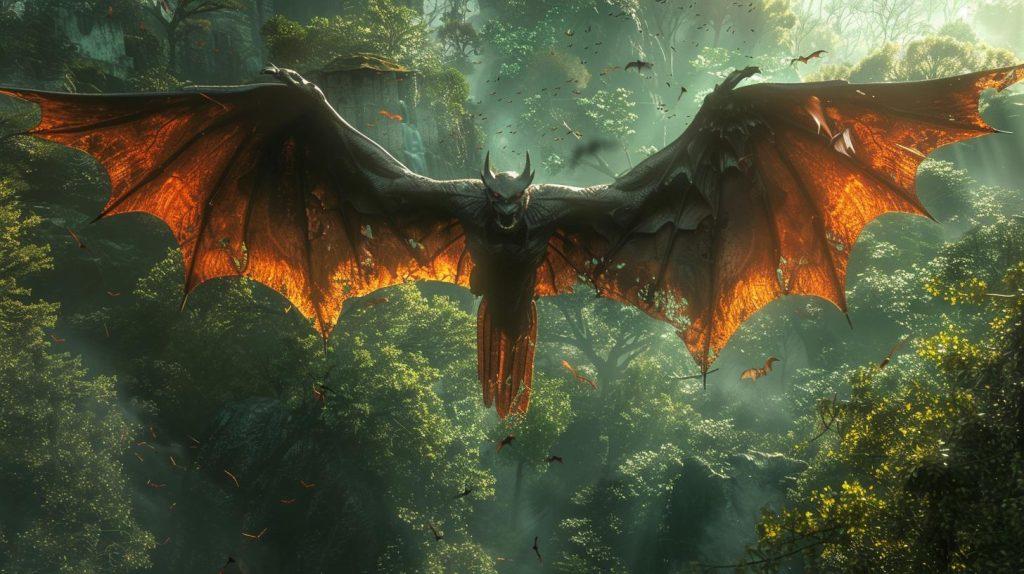
Image Source: Old World Gods
Among the Akan people of Ghana, Côte d’Ivoire, and Togo, Thursday is a rest day for the land itself. Hunting or farming on this day disrespects Asasseyaa, the earth spirit and the Sasabonsam is the enforcer.
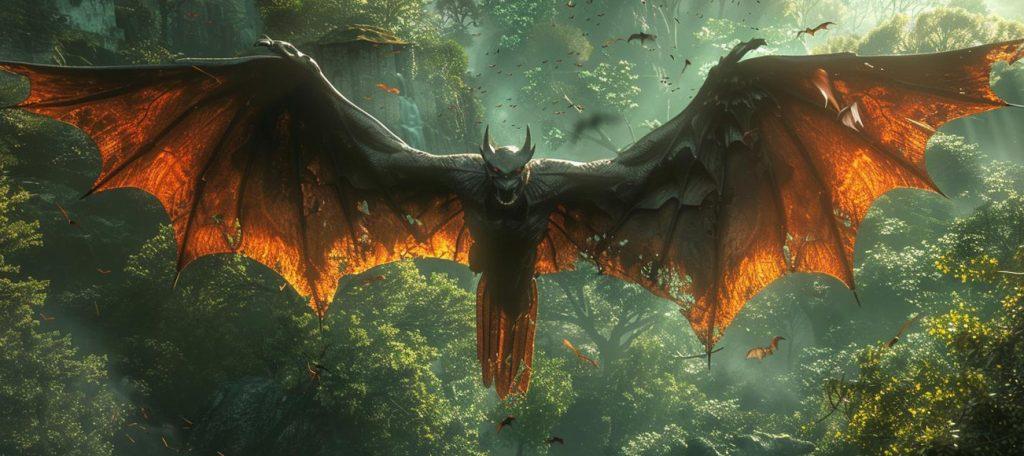
Bat-like face, iron teeth, hooked feet built for snatching. Some Sasabonsam stories give it a snake-like tail too, just to really round out the nightmare.
Once it’s done toying with you, swinging between branches, tapping your shoulder when you least expect it, the sasabonsam drops down, bites your neck, and drains you dry. Flesh and bone included, if you’re unlucky.
Unlike the glamorous bloodsuckers of European legend, this one isn’t subtle. There’s no seduction here. It’s a predator with a purpose: keep people out of the forest when the forest needs quiet.
Fun fact: The sasabonsam shows up in Marlon James’s novel Black Leopard, Red Wolf, paired with a brother creature called Asabonsam, “the flesh eater.” Proof that even ancient forest monsters can land a book deal.
10. Adze (Africas) – Hell nooooooooooo!
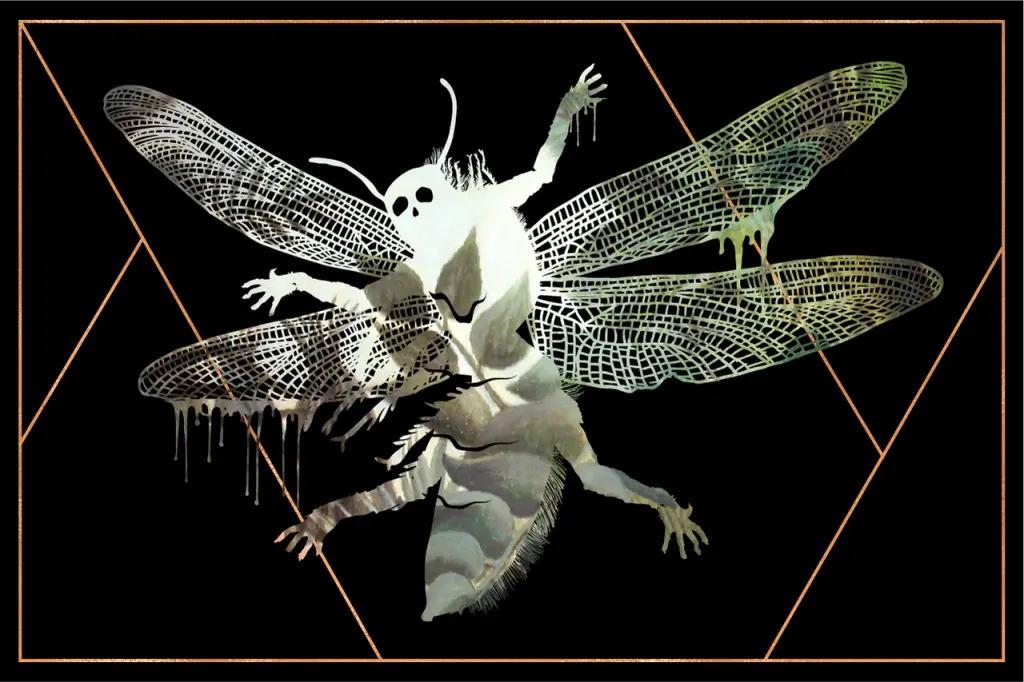
Image Source: Atlas Obscure
You’ve probably met one of these without realizing it. That firefly glowing in your backyard? In Ewe folklore from Togo and Ghana, it might just be a shapeshifter sizing up your bloodstream.
By day, the Adze walks around looking like any other person. Maybe it’s your neighbor. Maybe it’s the guy who always borrows your lawnmower and never returns it.
At night, though, things get interesting. The Adze slips free of its human shell and becomes a tiny, glowing insect, small enough to squeeze through keyholes, cracks, or the gap under your door. No window is too small, no lock too secure.
Once inside, it feeds on the blood of sleeping people, leaving illness behind instead of a thank-you note. Folklorists think these stories may have been an early way to explain the dangers of mosquitoes and malaria, which, honestly, makes the whole thing scarier, not less.
Here’s the part that’ll keep you up at night: there’s no known defense against it. No garlic, no charms, nothing. You just have to hope you’re not the unlucky host it chooses to possess.
Movies You'll Love
Whalefall

Other Mommy

No Go: The Child 死亡禁区实录

Petaka Gunung Welirang
Lastri: Arwah Kembang Desa


TRENDING


MOVIES YOU'LL LOVE
Clayface
Whalefall
Other Mommy
No Go: The Child 死亡禁区实录
Petaka Gunung Welirang
Lastri: Arwah Kembang Desa
Munafik: Melawan Iblis
Pemuja Syaitan
Resident Evil
Setan Alas!

Verity
Midnight Incense
Juminten Edan
Sihir Tanah Kubur
Drones
Oh My Ghost! Oh My God! 怎么可能我家的祖先是你家的鬼
Kacau
Sekawan Limo 2: Gunung Klawih
Bisikan

Werwulf

Evil Dead Wrath

A Quiet Place Part III

Final Destination 7

The Conjuring: First Communion

Kisah Bawah Tanah
Leng Loi