
Meesaya Murukku 2

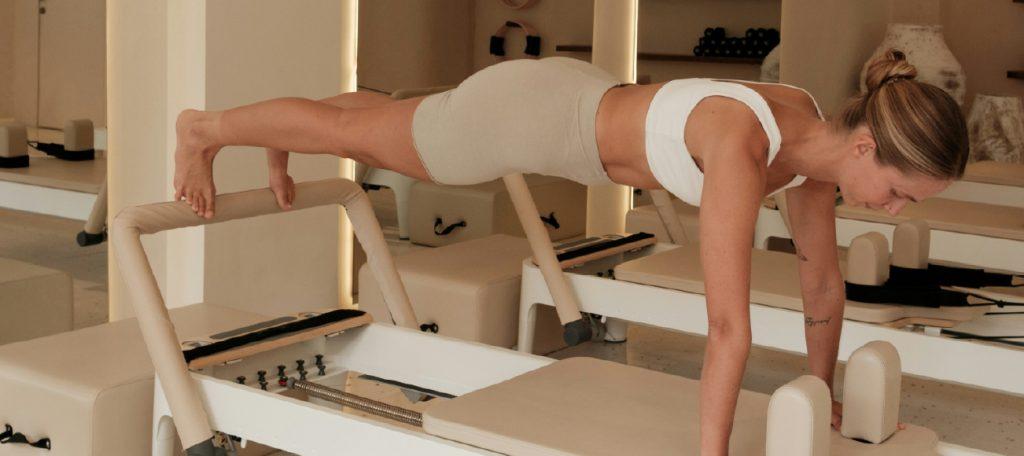
First and Foremost: What Is Pilates?
Pilates is a type of exercise that works your whole body through slow, controlled movements.
Think less “sweat through your shirt” and more “quietly discover muscles you forgot you had.” It’s a type of workout built on precision rather than intensity, which honestly feels like a nice change of pace.
Joseph Pilates created it in the early 20th century to help injured dancers recover and get back on stage. He mixed strength training with careful breathing and body awareness, and it worked well enough to outlive him by about a century.
To this day, Pilates has evolved tremendously, and we are also seeing a rising trend in the exercise, making its way to more contemporary practice.
Read More: Best Fitness Trends to Follow
The Rise in Popularity of Pilates in Malaysia
A few years ago, you might have associated Pilates with quiet studios and people in matching outfits who seemed to have their lives figured out.
Now it’s everywhere, from reformer studios in KL to mat classes squeezed into your lunch break. Somewhere along the way, it stopped being niche and started being normal.
Part of the appeal is how it fits into your actual life, not some fantasy version of it. You don’t need to be sprinting on a treadmill to feel like you did something good for your body. A quieter, more controlled workout turns out to be exactly what a lot of busy people in Malaysia were waiting for.
Plus, it’s also the community. It’s an activity you do with friends, not just for yourself. Booking a class together has quietly become its own kind of hangout, somewhere between a workout and a catch-up. Whether you’re there for your posture or your social calendar, Pilates seems to have made room for both.
The Different Types of Pilates Available
Each Pilates type serves a slightly different purpose. We recommend picking what your body’s asking for, but first, let us deep dive into all the types of Pilates that are commonly practiced.
1. Reformer Pilates
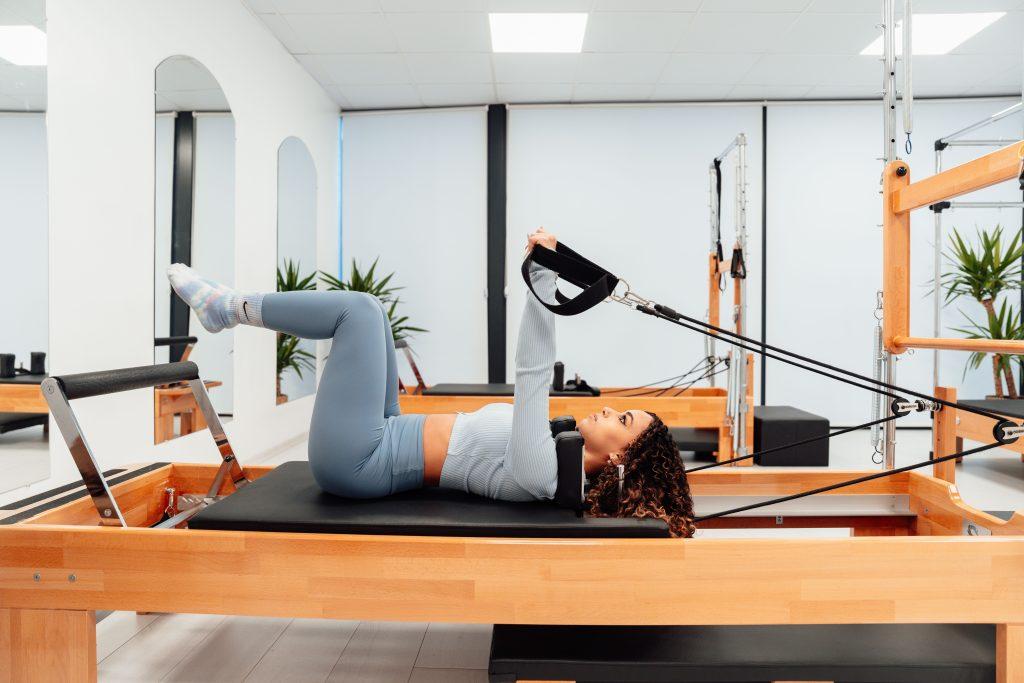
Reformer Pilates puts you on a sliding platform attached to springs, and somehow that’s both terrifying and fine at the same time. You’re not lifting weights so much as negotiating with resistance, which makes the whole thing feel like a full-body workout that’s quietly sneaky about it.
The equipment is just the reformer itself — a carriage, some springs, a few straps — though you’ll usually find it in a studio with an instructor hovering nearby, ready to fix your form before you notice it’s wrong. You could buy one for home use, but be warned: it takes up space like it’s auditioning for a bigger apartment.
What you get out of it is strength, flexibility, and better posture, assuming you show up more than once. It’s low-impact, which is a nice way of saying your joints will thank you even if your ego takes a small hit on day one.
2. Dance Pilates
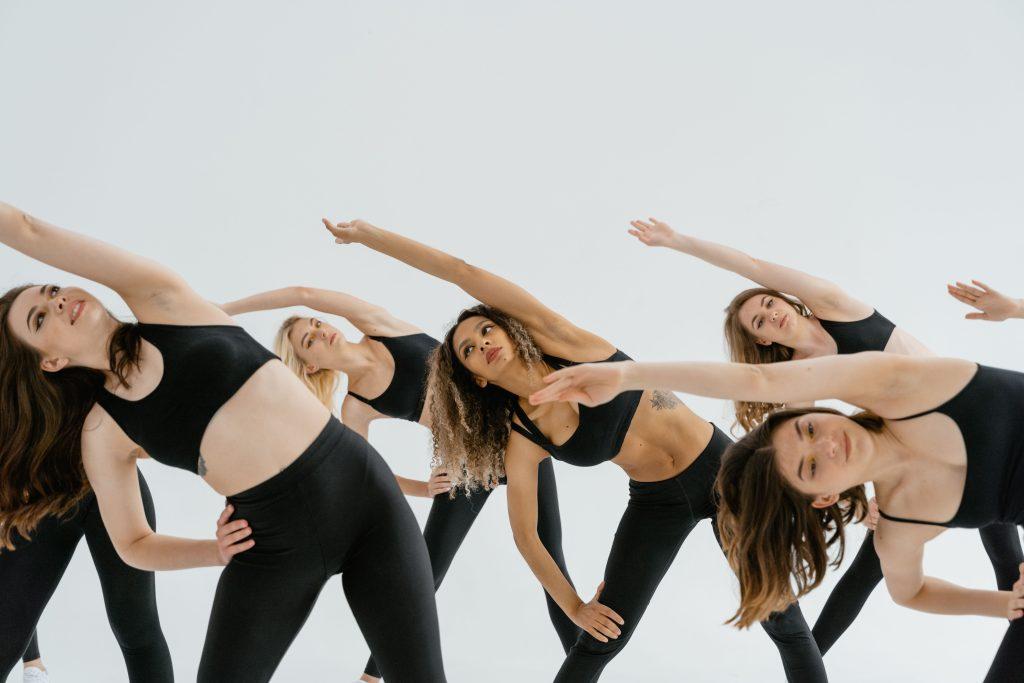
Dance Pilates borrows its posture and flow from ballet and contemporary movement, so you’ll notice more emphasis on grace, alignment, and long extended lines through the body. You’ll work on balance and control just as much as strength, which makes it feel less like a workout and more like quiet choreography.
Equipment-wise, you don’t need much to get started: a mat, comfortable stretchy clothing, and bare feet or grip socks will usually do the job. Some studios add a ballet barre or light resistance bands for extra support, but the real tool here is your own sense of rhythm.
If you’ve ever wished workouts felt a bit more like moving to music and a bit less like counting reps, this is the version built for you.
3. Classical Pilates
Classical Pilates is the original version, the one Joseph Pilates actually taught, in the exact order he taught it. You get 34 mat exercises, done the same way every time, which sounds strict until you realize that’s kind of the point.
For equipment, you’re looking at the reformer, the Cadillac, and the Wunda chair, all designed by Pilates himself decades ago. Nothing fancy or new, just the original tools doing exactly what they were built to do.
This style rewards patience more than variety, since you’re repeating the same sequence until your body actually understands it. If you like structure and dislike guesswork, this one’s for you.
4. Clinical Pilates
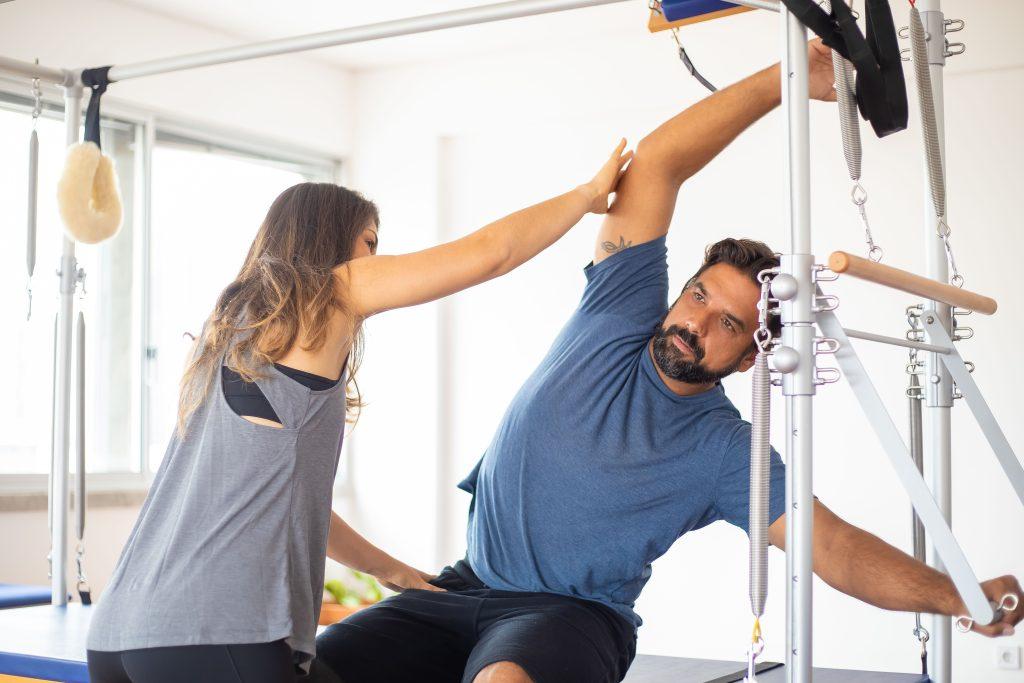
Clinical Pilates is what happens when regular Pilates goes to see a physiotherapist and comes back with a plan. It usually starts with someone actually watching how you move before handing you an exercise, which is a refreshing change of pace.
You’ll find it uses the same reformers, mats, and resistance springs as other Pilates styles, nothing exotic hiding in the cupboard. The real difference is that your physiotherapist picks and adjusts the exercises around your pain, your injury, or that one shoulder that’s never quite forgiven you.
If you’re dealing with a niggle, a recovery, or a “the doctor mentioned my posture” situation, this is probably your lane. You get structure, supervision, and someone keeping an eye on whether you’re progressing or just repeating the same session with better eye contact.
5. HIIT Pilates
This one is for people who get bored easily and secretly want to sweat a little. You get all the core-focused, controlled movements of Pilates, but squeezed between short bursts of higher-intensity work, so your heart rate actually climbs instead of staying politely flat.
Equipment-wise, it’s refreshingly low-maintenance: a mat, maybe some light dumbbells, and perhaps a resistance band if you’re feeling ambitious. No reformer required, no mysterious pulley system to decode.
You’ll move faster than traditional Pilates, breathe harder than you expected, and still finish knowing exactly which muscles you used. It’s Pilates with its sleeves rolled up.
6. Power Pilates
Power Pilates takes the classical method and turns the dial up, adding more flow, more intensity, and a bit more sweat to the mix. You’ll move through exercises faster, with less pause between them, so your heart rate climbs while your core still does all the quiet, hard work.
Equipment-wise, you’re looking at a mat for sure, but many classes bring in the Reformer, resistance bands, or light hand weights to add extra challenge. Don’t worry if that sounds like a lot of gear — most studios have it ready, so you just show up and let your muscles figure out the rest.
This one’s a good fit if you’ve got the basics down and want something that feels less like stretching and more like a workout. It’s still Pilates at heart, just with its sleeves rolled up.
7. Barre Pilates
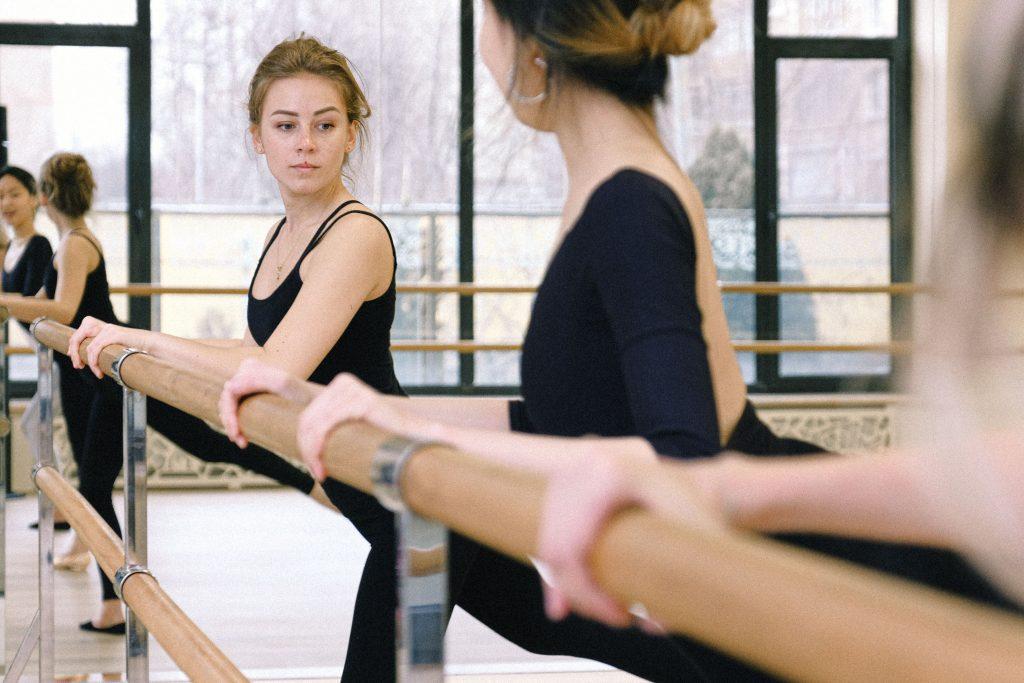
Barre Pilates takes your mat work and introduces it to ballet, and somehow neither side feels out of place. You’ll hold onto a barre for balance while your legs quietly start shaking from tiny pulsing squats you didn’t see coming.
The equipment list stays refreshingly short: a barre (or a sturdy chair if you’re working from home), a mat, and maybe light hand weights or a resistance band. No elaborate machinery required, just you, gravity, and a newfound respect for your inner thighs.
This is a good fit if you want core strength with a side of posture improvement, minus actual ballet training. Your legs will tremble, your form will sharpen, and you’ll leave wondering how something so slow felt so demanding.
8. Hot Pilates
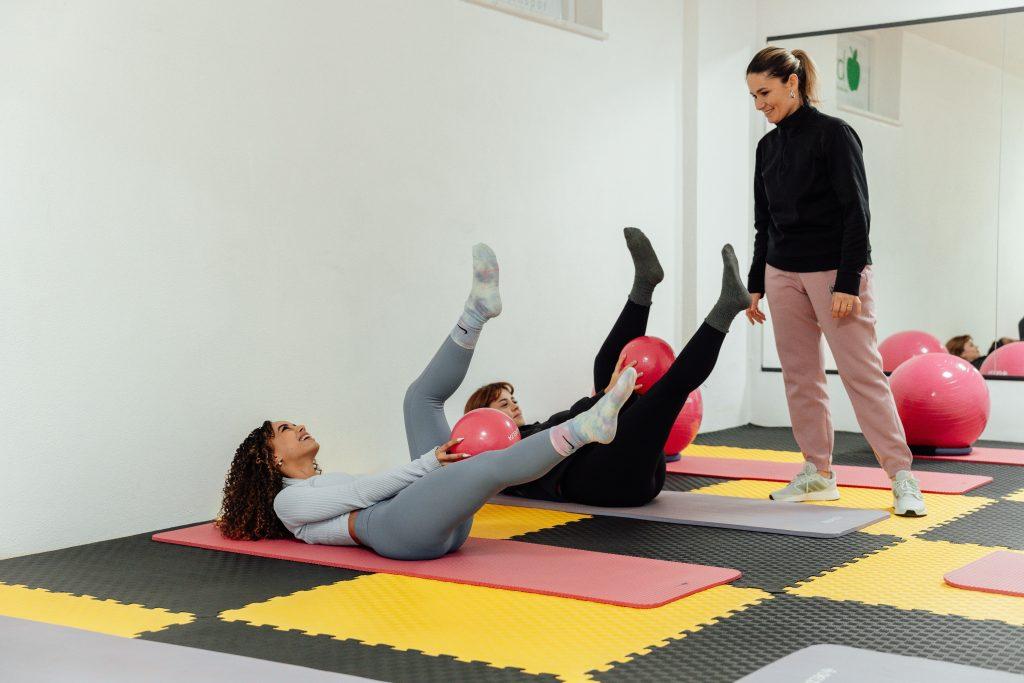
Hot Pilates takes everything you already know about mat work and cranks the room up to around 95°F, so you’re sweating before you’ve even hit the first set of core exercises. It’s the same controlled movements and breathing you’d expect, just with a side of “why is my mat slippery already.”
All you really need is a mat, a towel (trust us, bring two), and a water bottle you’re not emotionally attached to, because it will look rough by the end. Some studios add light weights or resistance bands, but the heat itself is doing most of the heavy lifting here.
If you’ve ever wanted your core workout to double as a sauna session, this is your moment. Just maybe skip the all-white outfit.
9. Mat Pilates
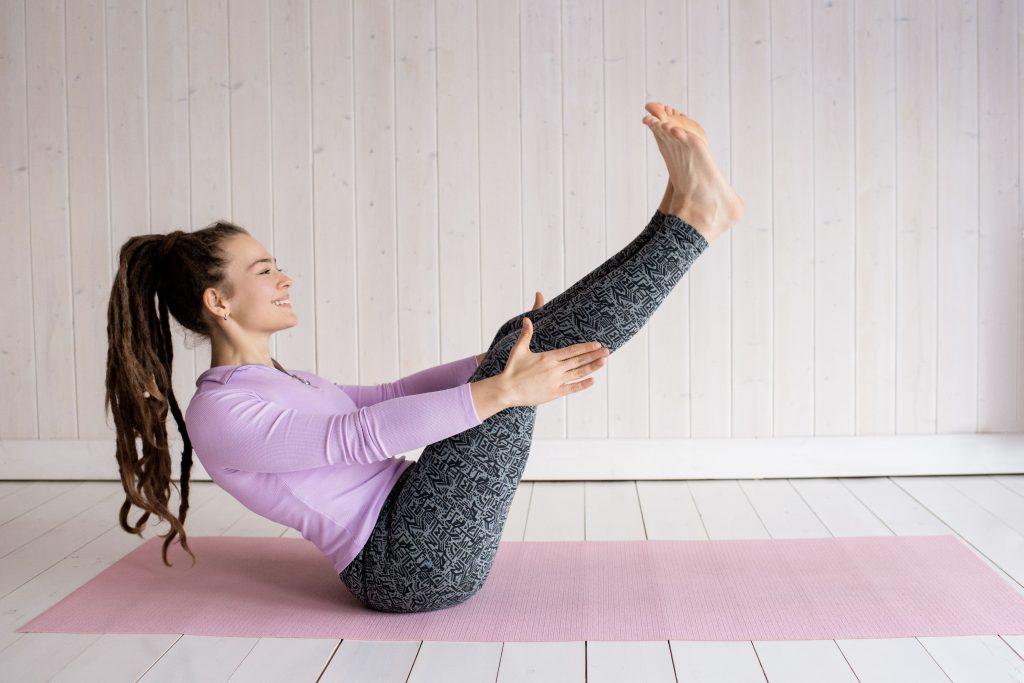
This is where Pilates started, and honestly, it’s still the one that makes the most sense to most people. You get a mat, your own body weight, and gravity does the rest of the heavy lifting (sort of).
No reformer, no springs, no mysterious machine that looks like it belongs in a medieval torture exhibit. Maybe a resistance band or a small ball if your instructor’s feeling fancy, but that’s about it.
It’s slower, it’s grounded, and it forces you to actually feel what your core is doing instead of just assuming it’s involved. Good place to start, honestly, before you go near anything with pulleys.
10. Chair Pilates
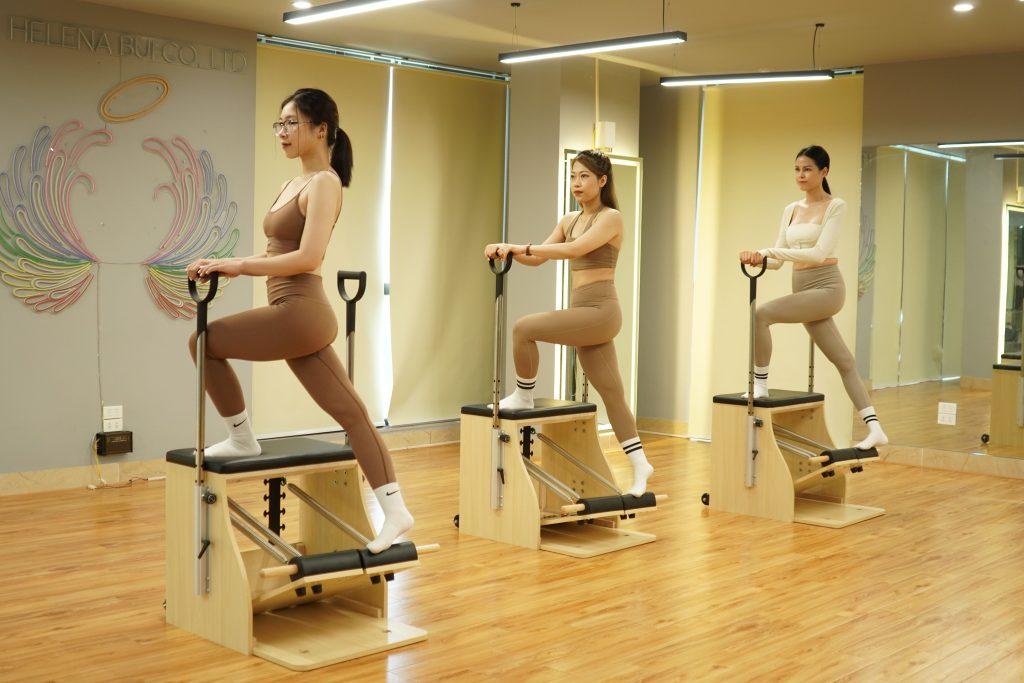
You don’t need a mat, a reformer, or the ability to get down onto the floor gracefully (we’ve all had that moment). All you need is a sturdy chair, which, conveniently, you probably already own.
This style keeps you seated or standing beside the chair while you work through controlled movements that build core strength, posture, and balance, without putting pressure on your joints. It’s quietly popular with people recovering from injury, managing a health condition, or just not in the mood to lie on the floor today, and no one’s judging.
Add light weights or a resistance band if you want to feel it a bit more the next day, but even without extras, your abs will know you showed up.
11. Aerial Pilates
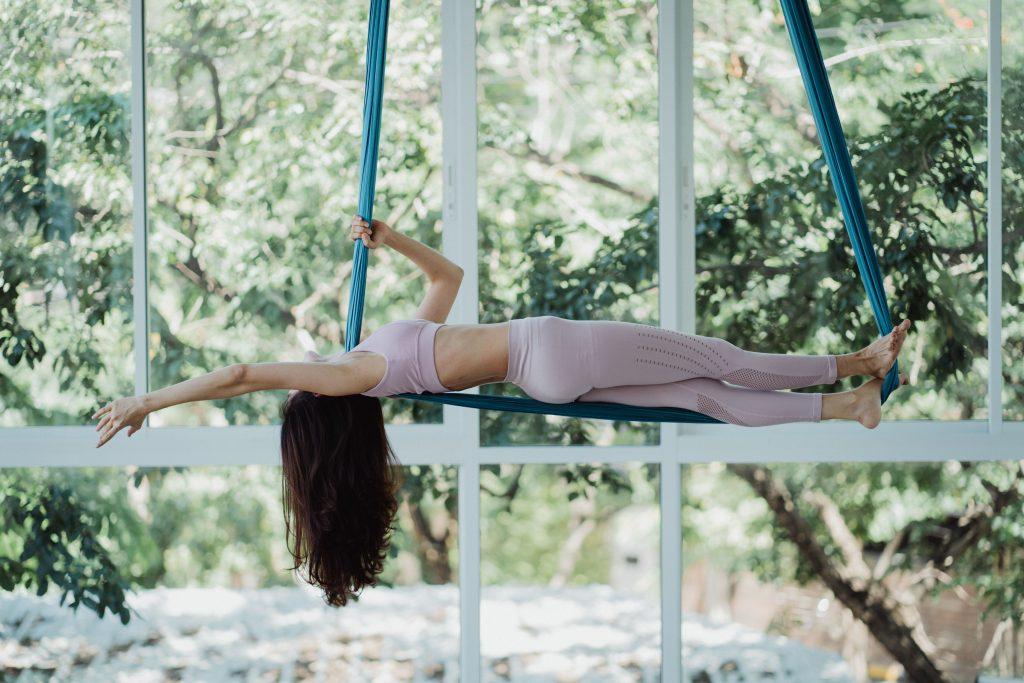
Picture Pilates, but someone’s hung a giant silk hammock from the ceiling and said “go on then.” That’s Aerial Pilates, and yes, you’ll be upside down within the first ten minutes.
You’ll need one main piece of kit: a fabric hammock (sometimes called a sling or swing) rigged securely from a frame or ceiling point, built to take your full body weight. Everything else is just you, some grip strength you didn’t know you needed, and a willingness to trust the fabric.
The payoff is a workout that stretches your spine, challenges your balance, and makes core work feel less like a chore and more like you’re quietly defying gravity on a Tuesday afternoon.
Which Pilates Class Should You Choose?
While each Pilates type generally serves a different purpose, to make it easy, we will separate them both based on beginner and advanced levels.
We’ll start with the entry level:
Recommneded Pilates Classes for Beginners
If you’re new to this, Mat Pilates is where most people start. No machines, no exclusive equipment, just you, a mat, and gravity doing its quiet work.
Clinical Pilates is also the other beginner-friendly option, especially if you’re easing back into movement after an injury or just want someone qualified keeping an eye on your form.
The other Pilates formats are often grouped as “beginner-friendly,” though they might require some physical skill or special equipment:
- Reformer Pilates – uses a sliding machine with springs and straps. Looks intimidating. Is intimidating, briefly. Becomes addictive fast.
- Wall Pilates – mat-style moves using a wall for support. Less equipment, same wobbling.
- Contemporary Pilates – a modern take that blends classical moves with newer training ideas.
Ultimately, most people try Mat first simply because it asks the least of you upfront, no bookings, no gear, no learning curve shaped like a spring-loaded machine.
Recommended Pilates Classes for Advanced Practitioners
Once your body understands the basics, moving into Reformer or Contemporary classes feels less like a leap and more like a natural next step.
Advanced Pilates isn’t louder or faster for the sake of it. It asks more of your control, your balance, and honestly, your patience with yourself when a move doesn’t click right away.
Reformer-based advanced classes tend to be the ones people point to first. More resistance, more transitions, less time to think — your body just has to know what to do.
Classical Pilates for advanced practitioners sticks closer to the original repertoire, the Joseph Pilates playbook, if you will. It’s fast-paced and assumes you already speak the language of the exercises.
A few things worth knowing before you book in:
- You’ll likely need solid experience with intermediate mat and reformer work first
- Equipment-based classes (Cadillac, Wunda Chair) show up more often at this level
- Instructors expect you to self-correct a bit — less hand-holding, more trust
None of this means advanced Pilates is about ego or pushing through pain. It’s still Pilates. Control matters more than effort, even when the moves look intense.
If your current class feels too easy and you’re not sweating from the actual difficulty, that’s usually your sign.
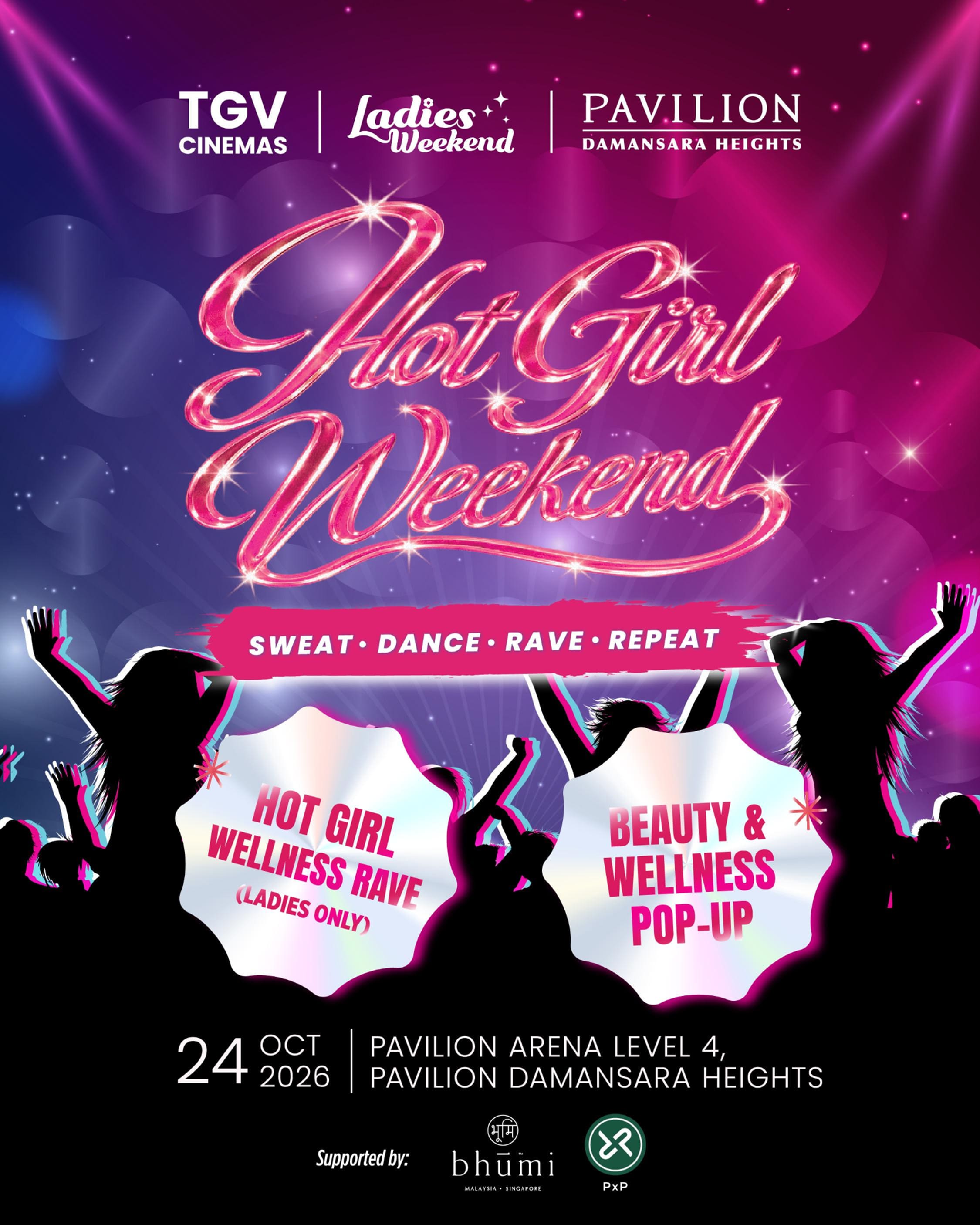
Hot Girl Weekend
TURN UP THE HEAT & FEEL THE BURN 🔥 Forget your usual workout routine. TGV Ladies Weekend is bringing you HOT GIRL WEEKEND — our first-ever women-only Wellness Rave Party, where fitness meets music and every workout feels like a PARTY! 🔥Neurobody Pilates 🔥Vibe Pilates 🔥KpopX Fitness 🔥Glow Dance Party (Latin Dance workshop) AND walk away with FREE movie ticket, goodies...


TRENDING

MOVIES YOU'LL LOVE
Meesaya Murukku 2
Bisikan Nafsu
Prem Keetanu
Mr Finance
Anbil Avan
(LIVE ACTION) Tangled
Fake Skating

Last Minute Date 喜到临头

The Boy Who Counted Cars 我看见两朵一样的云

Baga
Not Alone
The Thomas Crown Affair